
A los 40, Diego Lotito understood why he felt alone
The diagnosis of high intellectual abilities explained a childhood marked by boredom and difficulty finding peers. For this Argentine, the greatest challenge was not academic performance, but isolation.
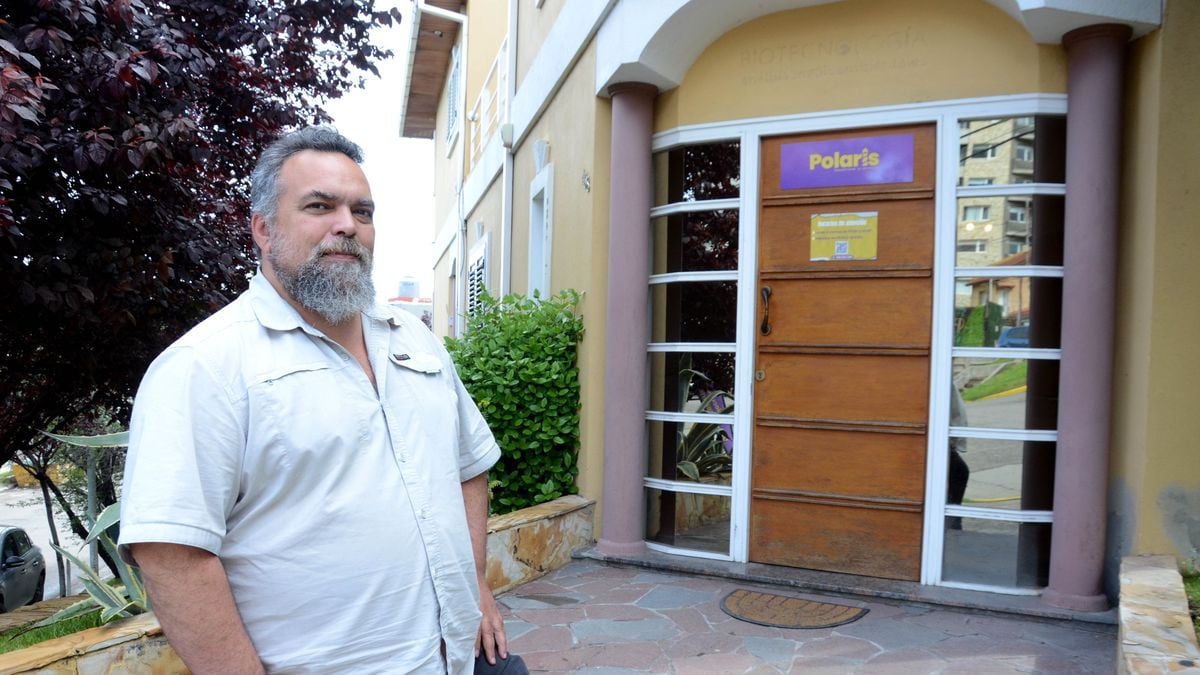
Buenos Aires, Argentina. Diego Lotito spent much of his childhood wondering why school bored him and why it was so hard to find people who shared his interests. At 40, he learned that he had high intellectual abilities. The answer arrived late, but it also allowed him to understand that his greatest difficulty had never been academic.
During primary school, Lotito finished understanding the material before his classmates. Then he had to remain in class while the group worked on the same content. His problem was not arrogance or a general lack of interest. It was genuine boredom. "Primary education seemed extremely boring to me," he recalls.
What weighed most on him was not the pace of the classes. It was the difficulty of finding peers. He did not share their interests or their sense of humor, and preferred reading to playing ball. Making friends was possible. Finding someone with whom to discuss the subjects that awakened his curiosity was much harder.
A university education opened new doors
Secondary school provided some relief through extracurricular activities. He participated in English debates, the United Nations Model, mathematics olympiads and theater. His grades did not reflect what he could learn. "Academically I was not doing very well because, really, I was not that interested," he explains. At the time, there were also neither the professional resources nor the conceptual framework to identify what was happening and explore more suitable educational alternatives.
The university changed the situation. Lotito studied History at the University of Buenos Aires, then Teaching, then Medicine. He later specialized in forensic genetics and is about to finish a bachelor's degree in Administration at the National University of Tres de Febrero. The succession of careers reflects sustained exploration rather than aimlessness. At each stage, it became easier to find people with similar concerns. "At university it was much easier to find like-minded people, people with whom I could share these things," he says.
The diagnosis gave a name to something he had lived through without being able to name it. Today he participates in Mensa, an international organization for people with high intellectual abilities, and in Board Game Comahue, a board game club in Alto Valle de Neuquén. The material provided does not detail when or how he joined either organization.
His experience highlights a challenge specialists frequently point out: for people with high intellectual abilities, the greatest difficulty is not academic achievement, but loneliness. The challenge can appear as boredom in the classroom, poor concentration on material considered too easy, or a persistent sense of not fitting in.
- Boredom and lack of challenge can be the first visible sign in the classroom.
- Difficulties finding peers with similar interests can deepen isolation.
- The university often provides a more suitable environment for intellectual and social connection.
- Professional diagnosis and support can help explain past experiences and open new paths.
Lotito's story does not offer a single solution. It shows the importance of identifying what lies behind poor grades or social discomfort. For many people with high intellectual abilities, finding a space to share interests can be as important as adapting the curriculum. The information on this case is still in development.